Eleven Die in Bengaluru Stampede, Organizers Issue Statement of Condolence
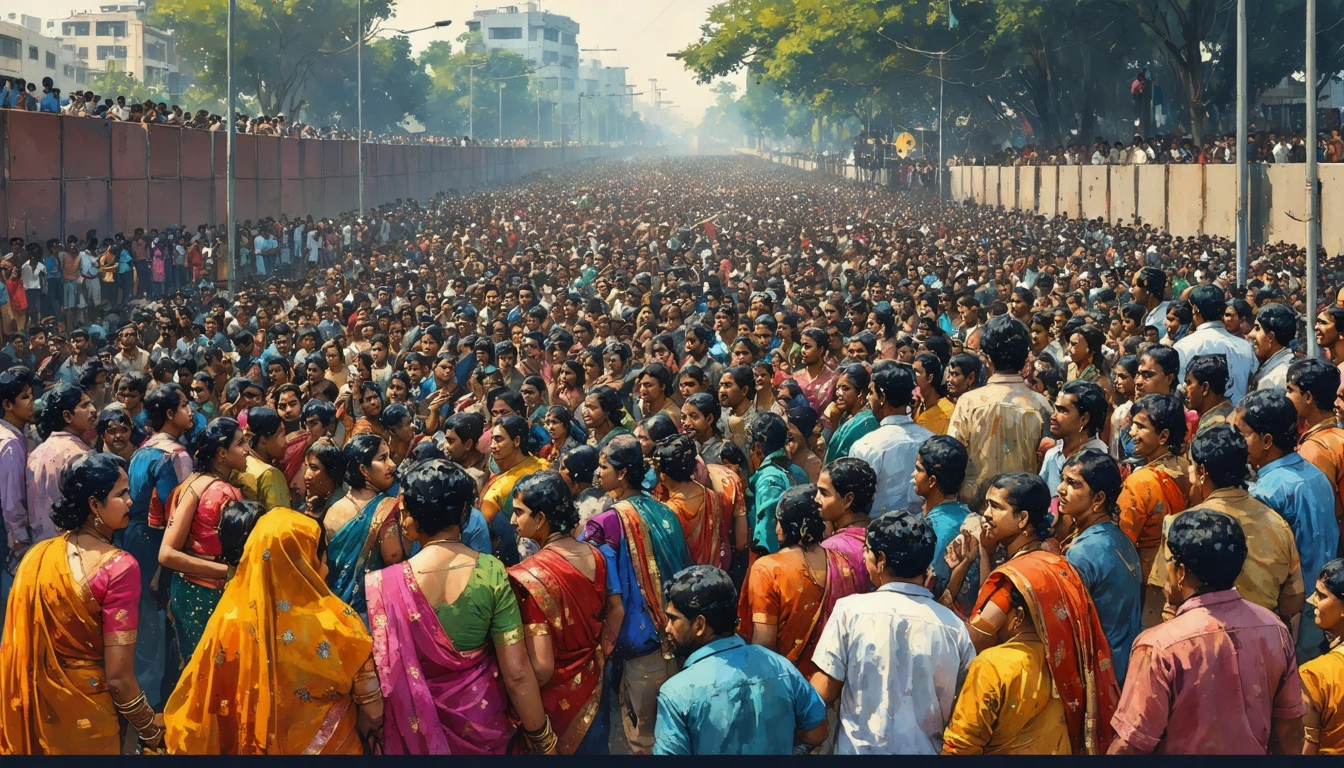
A stampede-like situation near a Bengaluru venue during large-scale public celebrations claimed 11 lives and injured 33 others on Wednesday. Karnataka Chief Minister Siddaramaiah confirmed the deaths and announced Rs 10 lakh compensation for families of the deceased. Hours later, organizers expressed deep anguish, revised their schedule in line with local authorities, and urged caution at such gatherings.
The Chaos Unfolds
Thousands converged on gates leading to the venue, overwhelming security measures and sparking disorder. Police resorted to mild force to restore order ahead of an indoor event organized by local associations. Visuals captured people collapsing amid the crush, with bystanders administering cardiopulmonary resuscitation and authorities rushing the unconscious to hospitals including Bowring and Lady Curzon in Shivajinagar.
Response from Organizers
In a post on X, organizers stated their shock at media reports of incidents across Bengaluru during anticipation of their arrival. They emphasized that safety remains paramount, mourned the losses, and extended condolences to affected families. Upon awareness, they adjusted plans promptly under guidance from local administration and called on supporters to prioritize personal safety in crowds.
Government Measures and Medical Fallout
Chief Minister Siddaramaiah's compensation pledge underscores immediate state support for victims. Hospital sources attributed deaths primarily to suffocation, a common outcome in dense crowd compressions where pressure restricts breathing and circulation. The indoor proceedings continued with a full house, while external chaos highlighted disparities in access control.
Lessons for Crowd Management
Crowd crushes often stem from poor ingress planning, sudden surges, and inadequate barriers, turning enthusiasm into peril through compressive asphyxia. Such events reveal vulnerabilities in urban gatherings, where rapid assembly exceeds capacity. Enhanced protocols—wider entry points, real-time monitoring, and phased access—could mitigate risks, as seen in past global incidents demanding stricter oversight for public assemblies.